
×
 November 6, 2024
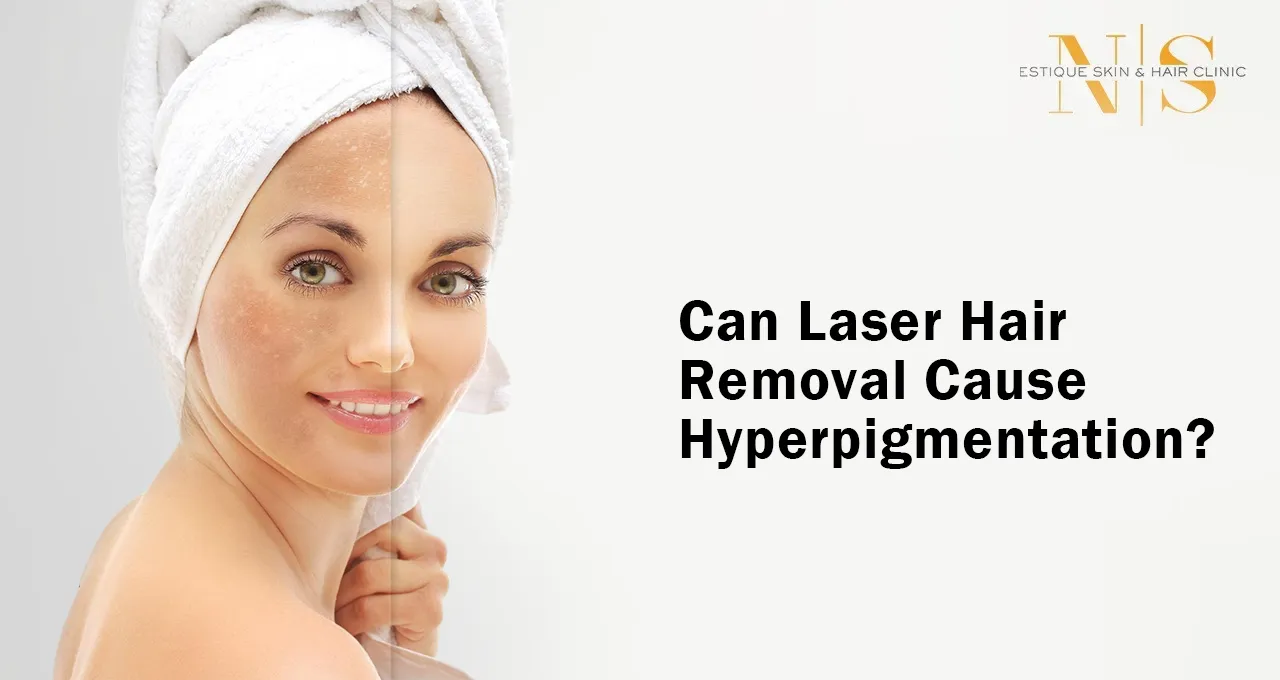
Laser hair removal is widely acclaimed for its efficiency in reducing unwanted hair. While typically safe, clients in Gurgaon, and elsewhere often express concerns regarding potential side effects like hyperpigmentation. This condition, which causes darkening of the skin, can occur post-treatment. This blog dives deep into how laser hair removal can lead to hyperpigmentation, with a focus on managing this risk, particularly when seeking Laser hair removal in Gurgaon.
Hyperpigmentation involves patches of skin becoming darker than surrounding areas due to excess melanin production. This might happen following laser hair removal, as the laser targets melanin in the hair follicles but may inadvertently affect skin melanin too.
Hyperpigmentation after laser hair removal primarily occurs due to the interaction between the laser light and the melanin in your skin. Here are the most common causes:
1. Skin Type and Color: The likelihood of developing hyperpigmentation is generally higher in individuals with darker skin tones. This is because their skin contains more melanin, which can absorb more of the laser energy than intended. When this excess energy is absorbed, it can stimulate an overproduction of melanin, leading to darkened skin areas.
2. Type of Laser and Settings: Utilizing the wrong type of laser or incorrect settings can significantly increase the risk of hyperpigmentation. For instance, lasers that emit shorter wavelengths may not be suitable for darker skin as they tend to target the melanin in the skin rather than just in the hair follicles.
3. Exposure to Sunlight: Exposure to UV light can exacerbate hyperpigmentation by stimulating melanin production. Sun exposure before or after laser treatment can make the skin more sensitive and prone to developing dark spots.
4. Hormonal Factors: In some cases, hormonal changes can also contribute to the risk of hyperpigmentation, especially in women. Conditions such as pregnancy or taking contraceptive pills can make the skin more reactive to laser treatments.
5. Improper Aftercare: Inadequate care after the procedure can lead to complications including hyperpigmentation. For instance, using harsh skincare products or failing to adequately moisturize and protect the skin can disrupt the healing process and lead to pigmentation changes.
Taking proactive steps can significantly reduce the risk of developing hyperpigmentation from laser hair removal:
1. Proper Assessment and Consultation: Before undergoing laser hair removal, it’s crucial to have a thorough consultation with a skilled dermatologist who can assess your skin type and recommend the appropriate laser type and settings.
2. Use of Suitable Lasers: Ensure that the clinic uses advanced laser technologies that are suitable for your skin type. For darker skin tones, lasers like the Nd, which have longer wavelengths, are generally preferred because they minimize the risk of skin pigmentation issues.
3. Pre-Treatment Skin Care: Avoid sun exposure for at least six weeks before treatment. Use a broad-spectrum sunscreen with an SPF of 30 or higher every day, regardless of the weather, to protect your skin from UV radiation.
4. Test Patch: A test patch should be performed on a small area of the skin to see how it reacts to the laser. This can help predict the outcome of the treatment and adjust the laser settings if necessary.
In cases where hyperpigmentation occurs, there are several effective treatments and management strategies:
1. Topical Treatments: There are various topical creams and serums available that can help lighten hyperpigmented areas. Products containing ingredients like hydroquinone, azelaic acid, niacinamide, and kojic acid are commonly prescribed.
2. Chemical Peels: Chemical peels can be used to treat hyperpigmentation by removing the outer layer of the skin, allowing new skin to grow in its place. Peels that contain glycolic acid, lactic acid, or TCA are often used for this purpose.
3. Laser Treatments: In some cases, specific types of laser treatments can be used to treat hyperpigmentation. These lasers work by targeting and breaking down the excess melanin in the skin.
4. Sun Protection: Continuous protection against UV radiation is crucial. Regular application of a high-SPF sunscreen can help prevent existing hyperpigmentation from becoming darker and reduce the formation of new dark spots.
Q: Is hyperpigmentation permanent?
Q: How can I minimize the risk of hyperpigmentation in Gurgaon?
Q: Can I receive laser hair removal on different body parts without increased hyperpigmentation risks?
While hyperpigmentation is a potential side effect of laser hair removal, with the right precautions and by choosing a reputable Skin Clinic in Gurgaon, these risks can be managed. Laser Hair Removal offers an effective solution for unwanted hair when performed by experienced dermatologists who can tailor treatments to individual needs and skin types. Always consult a professional to discuss the best options for your specific situation.






Experience Exceptional Skin Care From Our Best Skin Doctor In Gurgaon
Clinic Timings
Monday to Friday : 10 AM to 7 PM
Saturday : 10 AM till 6:30 PM
12, first floor, Palm Springs Plaza, Golf Course Rd, DLF Phase 5, Sector 54, Gurugram, Haryana 122003
1021/1022, Behind 32nd Avenue, Sector 15 part 2, Gurugram, Haryana 122001

Medical and Cosmetic Dermatologist and well renowned as the Best Dermatologist in Gurgaon, has formerly practised in prestigious Hospitals such as VMMC & Safdarjung Hospital (New Delhi) and All India Institute of Medical Sciences (AIIMS, New Delhi).
It just takes a few minutes to book a visit online.
We at Estique clinic believe in understanding your problems and then suggest the treatment for best results.
Copyright 2017-2026© Estique Skin And Hair Clinic. Privacy Policy