
×
 September 23, 2026
Often there are cases when skin problems look the same, but underneath lies a problem being totally different. Dark patches on the face may be melasma, post-inflammatory hyperpigmentation, freckles, or another pigment disorder. Hair loss may come from genetics, inflammation, hormonal changes, nutritional problems, or autoimmune disease. The treatment depends on the diagnosis.
That is why choosing the Best skin doctor in Gurgaon should involve more than checking reviews or the number of procedures a clinic offers. Medical training, diagnosis, examination, treatment planning, and follow-up matter more.
A dermatologist is a medical doctor trained to diagnose and treat diseases of the skin, hair, and nails. Always look for recognised postgraduate qualifications in dermatology, such as an MD, DNB, or an equivalent recognised qualification.
This matters because many concerns that appear cosmetic can have a medical cause. Persistent acne, sudden hair loss, recurring rashes, pigment changes, or unusual skin growths may need proper diagnosis before treatment begins.
A dermatologist will usually ask when the problem started, how it has changed, which medicines or skincare products you use, and what treatments you have already tried. This helps form a differential diagnosis.
A differential diagnosis is a list of conditions that could cause similar signs or symptoms. The doctor then uses your history, skin examination, and tests when needed to narrow the list. For example, melasma and post-inflammatory hyperpigmentation may both cause brown patches, but their triggers and treatment plans can differ.
A good skin doctor in Gurgaon should identify the condition before deciding on treatment.
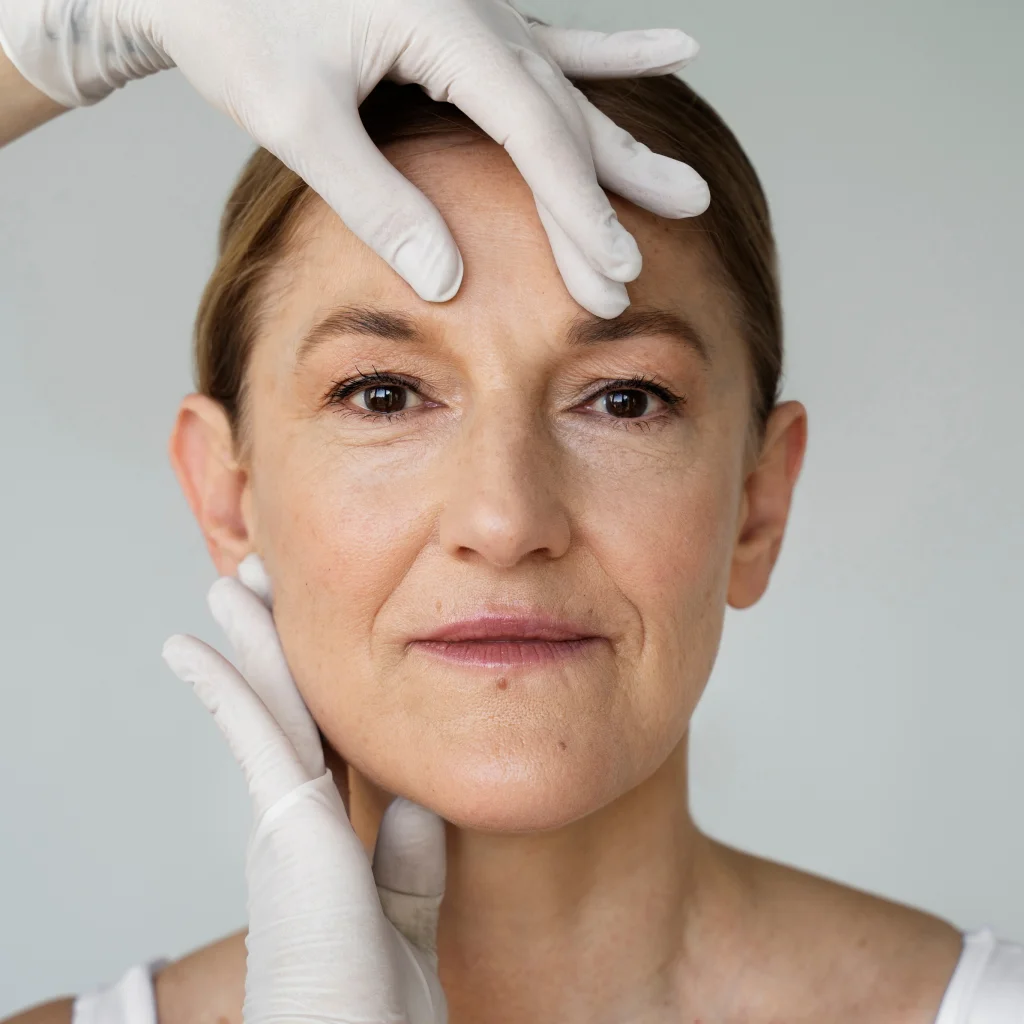
Dermatologists may use dermoscopy when a closer look is needed. Dermoscopy uses magnification and specialised light to show skin structures that are difficult to see with the naked eye.
For hair loss, doctors may use trichoscopy. Trichoscopy is a close examination of the scalp and hair. It helps the doctor study hair shafts, follicular openings, and scalp patterns.
You may hear the term Fitzpatrick skin phototype during a consultation. This system was developed by dermatologist Thomas B. Fitzpatrick at Harvard Medical School. It divides skin into six types based mainly on how easily it burns or tans after ultraviolet exposure.
Doctors may consider this classification before some laser and light treatments. But Fitzpatrick type is only one part of the assessment. Your natural pigmentation, sensitivity, history of pigmentation, previous reactions, and the condition being treated also matter.
The best skin doctor in Gurgaon should assess these factors before selecting treatment settings.
An MD Dermatologist has postgraduate medical training focused on diseases and treatment of the skin, hair, and nails. This training includes diagnosis, skin anatomy, inflammation, pigmentation, wound healing, medicines, and the way different skin types can respond to procedures.
This becomes especially important when lasers, peels, injectables, or other device-based treatments are being considered. The doctor needs to decide whether a procedure is suitable at all, which treatment approach fits the diagnosis, and how it should be adjusted for the individual patient.
Additional training in lasers can further strengthen this procedural knowledge. Dr Neha Sharma has completed a fellowship in lasers in Singapore, in addition to her MD Dermatology training.
The important point is not simply which machine a clinic has. It is whether the dermatologist understands the condition, knows when a procedure is appropriate, and can plan treatment around the patient’s skin rather than using the same approach for everyone.
Sometimes sensitive or irritated skin does not need another peel, active serum, or laser. It needs the skin barrier to recover. The skin barrier mainly includes the stratum corneum, the outermost part of the epidermis. It helps prevent water loss and protects the skin from irritants and allergens.
Peter Elias and researchers at the University of California, San Francisco have studied how the stratum corneum maintains normal barrier function.
When this barrier is disturbed, skin may become dry, itchy, inflamed, or more sensitive. In such cases, simpler skincare and barrier repair may make more medical sense than another procedure.
Most skin conditions do not need several investigations, but some do. Patch testing may be used when allergic contact dermatitis is suspected.
Patch testing places small amounts of possible allergens on the skin to check for a delayed immune reaction. Medical literature considers it the standard test for allergic contact dermatitis.
A dermatologist may also recommend a skin biopsy when the diagnosis is unclear. A biopsy removes a small sample of skin. The tissue can then be examined through histopathology, which means studying skin cells and tissue under a microscope for disease-related changes. Tests should answer a clinical question, not be ordered simply because they are available.
Evidence-based dermatology means using medical research, clinical experience, and the patient’s condition to choose treatment. A popular procedure is not automatically the right one.
Acne scars are a good example. Some are narrow and deep. Others are broad or attached to deeper tissue. One scar may respond to resurfacing, while another may need treatment below the scar.
Sometimes doctors use combination therapy. Combination therapy means using two or more treatments because different parts of the same problem need to be treated separately.
When comparing the best skin specialist in Gurgaon, you should ask why each treatment is being recommended.
If you search for the best skin doctor near me, you should look beyond the treatment menu.
At Estique Clinic, treatment is led by Dr Neha Sharma, an MD Dermatology doctor with more than 15 years of clinical experience. Her profile includes training at Safdarjung Hospital and AIIMS, along with international dermatology and aesthetic training.
Estique Clinic treats medical skin conditions, aesthetic concerns, hair and scalp problems, and conditions that may need laser, energy-based, or dermatosurgical treatment.
When choosing the best skin and hair clinic, the main question is whether the doctor can explain why a treatment suits your diagnosis and your skin.
The Best skin doctor in Gurgaon should be able to explain these points clearly.
Good dermatology starts with diagnosis. Once the doctor understands what is happening in the skin, the choice of medicine, skincare, laser, procedure, or combination treatment has a clear medical reason behind it.
Check the dermatologist’s qualifications, experience, diagnosis process, and treatment planning. The Best skin doctor in Gurgaon should explain what is causing the concern and why a particular treatment is suitable.
See the best skin specialist in Gurgaon if acne, pigmentation, hair loss, rashes, or other skin problems keep returning, worsen, or do not improve with basic care.
A good skin clinic in Gurgaon should offer dermatologist-led diagnosis, suitable treatment options, and proper follow-up based on your skin type and condition.
When searching for the best skin doctor near me, check qualifications, clinical experience, treatment approach, and whether the doctor manages both medical and procedural skin concerns.
Dr Neha Sharma is an MD Dermatology doctor with more than 15 years of clinical experience. Estique Clinic provides care for medical dermatology, aesthetic concerns, hair problems, and device-based treatments.




Experience Exceptional Skin Care From Our Best Skin Doctor In Gurgaon
Clinic Timings
Monday to Friday : 10 AM to 7 PM
Saturday : 10 AM till 6:30 PM
12, first floor, Palm Springs Plaza, Golf Course Rd, DLF Phase 5, Sector 54, Gurugram, Haryana 122003
1021/1022, Behind 32nd Avenue, Sector 15 part 2, Gurugram, Haryana 122001

Medical and Cosmetic Dermatologist and well renowned as the Best Dermatologist in Gurgaon, has formerly practised in prestigious Hospitals such as VMMC & Safdarjung Hospital (New Delhi) and All India Institute of Medical Sciences (AIIMS, New Delhi).
It just takes a few minutes to book a visit online.
We at Estique clinic believe in understanding your problems and then suggest the treatment for best results.
Copyright 2017-2026© Estique Skin And Hair Clinic. Privacy Policy