
×
 February 12, 2024
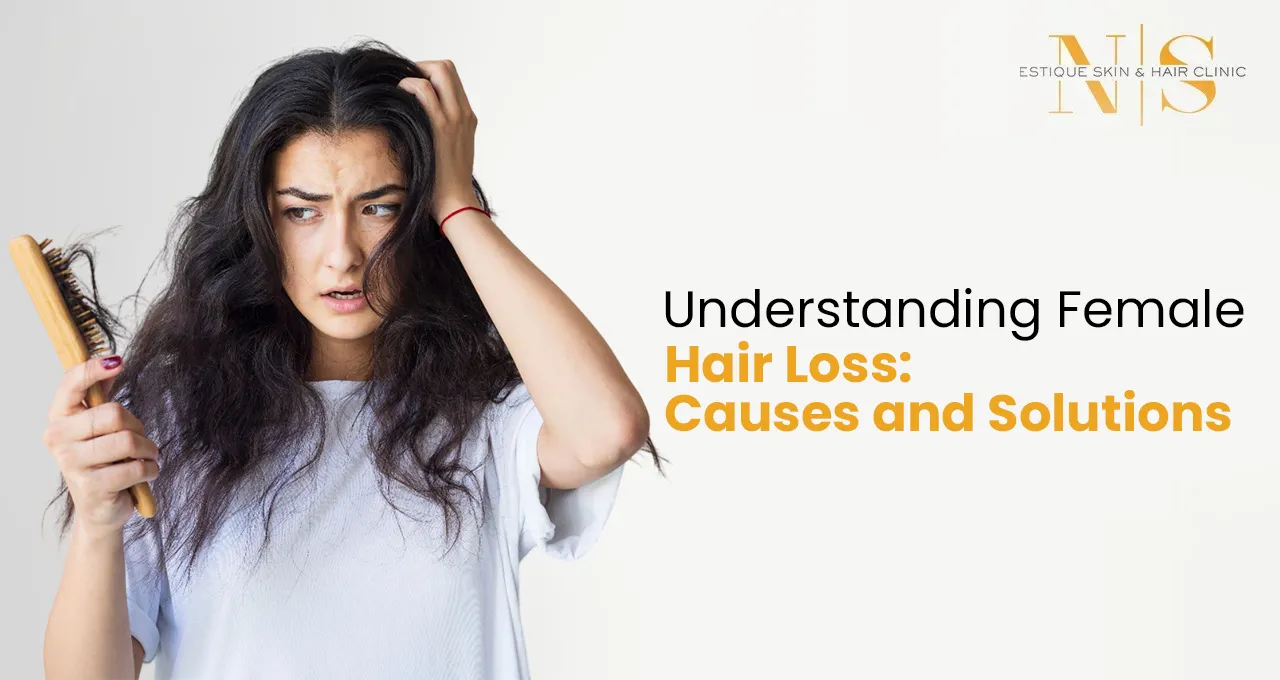
Hair loss in women is more than just a cosmetic issue; it’s a complex condition that can significantly affect a woman’s psychological and emotional well-being. This article delves into the multifaceted causes of female hair loss, offering insights into hormonal imbalances, nutritional deficiencies, stress, genetic factors, and autoimmune disorders. We also explore a range of solutions, from hormonal treatments and nutritional supplementation to stress management techniques, genetic treatments, and immunosuppressive therapies.
Hormonal fluctuations are a primary cause of hair loss in women. Conditions such as polycystic ovary syndrome (PCOS), menopause, and thyroid disorders can lead to significant changes in hair growth cycles and density. PCOS, for instance, can increase androgen levels, leading to hair thinning similar to male pattern baldness. Menopause brings about a decrease in estrogen and progesterone, hormones that help hair grow faster and stay on the head longer, resulting in thinning hair. Thyroid disorders, both hyperthyroidism and hypothyroidism, can also cause hair to become brittle, thin, and sparse.
Nutrition plays a crucial role in hair health. Deficiencies in essential nutrients like iron, vitamin D, and zinc can lead to hair loss. Iron deficiency, which is common in women due to menstrual blood loss or inadequate dietary intake, can disrupt the hair growth cycle. Vitamin D is crucial for hair follicle cycling, and low levels have been linked to alopecia. Zinc plays a role in hair tissue growth and repair, and a deficiency can lead to hair loss.
Stress, both physical and emotional, can have a profound impact on hair health. It can trigger telogen effluvium, a condition where stress pushes hair follicles into a resting phase, resulting in hair shedding and thinning. Chronic stress can also disrupt the balance of hormones, further exacerbating hair loss issues.
Androgenetic alopecia, or female pattern hair loss, is a hereditary condition that affects millions of women. It is characterized by a gradual thinning of hair, particularly on the crown of the head, and is caused by the hair follicles’ sensitivity to androgens. This genetic condition can be difficult to reverse, but early intervention can help slow its progression.
Alopecia areata, an autoimmune condition, leads to patchy hair loss on the scalp and sometimes on the body. The immune system attacks hair follicles, causing hair to fall out. Other autoimmune diseases like lupus can also lead to hair loss as a secondary condition.
For hair loss related to hormonal imbalances, treatments may include hormone replacement therapy (HRT) for menopausal women or medication to treat thyroid disorders. In cases of PCOS, treatments may focus on managing androgen levels to reduce hair thinning.
Addressing nutritional deficiencies is key to combating hair loss. Supplements such as iron, vitamin D, and zinc can help improve hair health and encourage regrowth. A balanced diet rich in vitamins, minerals, and proteins is also essential for maintaining healthy hair.
Managing stress through techniques like yoga, meditation, and regular physical activity can help mitigate stress-induced hair loss. These practices not only reduce stress but also improve overall health, which can positively impact hair growth.
For those with androgenetic alopecia, medications like mino-xi-dil and fin-ast-eride can help slow down hair loss. In more advanced cases, hair transplant surgery might be considered to restore hair in thinning areas.
In cases of autoimmune-related hair loss, treatments that reduce the immune system’s attack on hair follicles, such as corticosteroids, can be effective in promoting hair regrowth.
Addressing female hair loss necessitates a deep dive into its root causes, embracing a holistic treatment approach. Factors such as hormonal imbalances, nutritional gaps, stress, and genetic predispositions play significant roles. By identifying these underlying issues and implementing customized solutions, women can significantly enhance their hair health and regain self-esteem. It’s crucial to adopt early intervention and a proactive stance for effective hair loss management and potential reversal.
In wrapping up, grasping the intricacies of female hair loss marks the beginning of the journey towards efficacious remedies. Acknowledging the diverse elements that influence hair loss and investigating a broad spectrum of treatment modalities empowers women to pursue improved hair vitality and overall wellness. For those seeking hair loss treatment in Gurgaon, Dr. Neha Sharma at Estique Skin & Hair Clinic offers a beacon of hope. As the best dermatologist in Gurgaon, Dr. Sharma provides a range of treatments from hormonal therapies and nutritional supplements to stress management techniques and interventions for genetic and autoimmune issues, paving the way for hair loss combat and regrowth.


Experience Exceptional Skin Care From Our Best Skin Doctor In Gurgaon
Clinic Timings
Monday to Friday : 10 AM to 7 PM
Saturday : 10 AM till 6:30 PM
12, first floor, Palm Springs Plaza, Golf Course Rd, DLF Phase 5, Sector 54, Gurugram, Haryana 122003
1021/1022, Behind 32nd Avenue, Sector 15 part 2, Gurugram, Haryana 122001
Medical and Cosmetic Dermatologist and well renowned as the Best Dermatologist in Gurgaon, has formerly practised in prestigious Hospitals such as VMMC & Safdarjung Hospital (New Delhi) and All India Institute of Medical Sciences (AIIMS, New Delhi).
It just takes a few minutes to book a visit online.
We at Estique clinic believe in understanding your problems and then suggest the treatment for best results.
Copyright 2017-2026© Estique Skin And Hair Clinic. Privacy Policy