
×
 September 21, 2026
Dark circles, or periorbital hyperpigmentation, may result from excess melanin, visible blood vessels through thin under-eye skin, tear-trough hollowing, or periocular puffiness. These pigmentary, vascular, and structural factors can occur alone or together.
The right dark circle treatment in Gurgaon depends on the dominant cause. A dermatologist may assess pigmentation depth, skin thickness, vascular visibility, and under-eye volume before planning treatment. At Estique Skin & Hair Clinic, options may include medical skincare, medical peels, lasers, radiofrequency, or dermal fillers where clinically suitable.
Dark circles can develop from pigmentary, vascular, structural, inflammatory, or nutritional factors. The periocular skin is very thin, which can make underlying blood vessels, pigmentation, and anatomical shadows more visible. Nutritional deficiencies, particularly when they contribute to anaemia, may also make the under-eye area look darker or more tired in some patients.
Pigmentary dark circles occur due to increased melanin in the epidermis or dermis and may be influenced by genetics, sun exposure, or post-inflammatory hyperpigmentation. They commonly appear brown.
Vascular dark circles may appear blue or purple because superficial blood vessels are more visible through thin under-eye skin. Structural dark circles result from tear-trough hollowing, volume loss, or skin laxity that creates shadowing rather than true pigmentation.
Conditions such as dermatitis can also cause periocular inflammation and post-inflammatory pigmentation, especially with repeated rubbing. Poor sleep, smoking, dehydration, and prolonged screen use may make existing dark circles appear more prominent but are not usually the primary cause.
Dark circles can become more visible with age because the skin and tissues around the eyes change over time. The under-eye skin may become thinner. Volume can also reduce below the eyes, making the tear trough deeper. A tear trough is the groove between the lower eyelid and upper cheek.
Changes in the supporting tissues around the eye may add to this effect. Fat pads shift and the bone underneath gradually recedes, which deepens the groove and increases the shadow. If loss of volume is the main cause, treatment needs to address the hollow area rather than pigment alone.
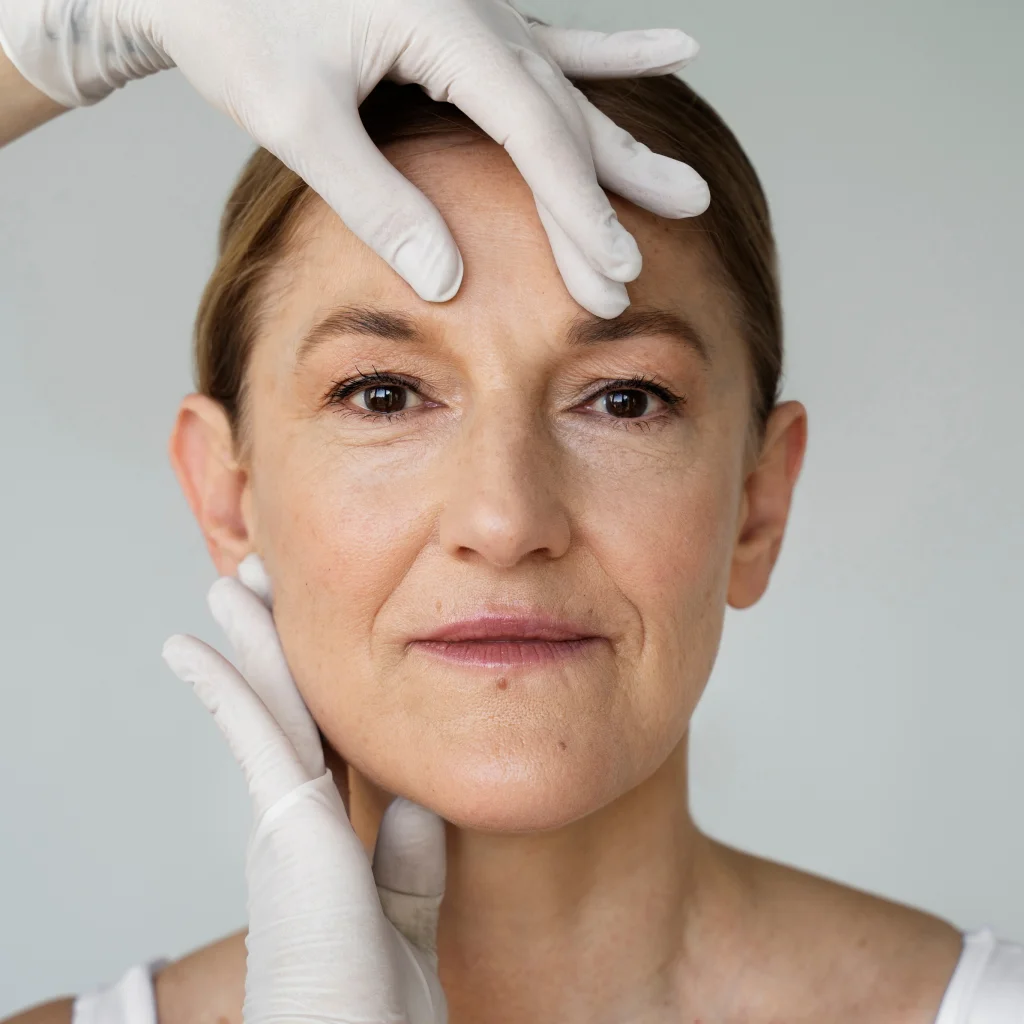
A dermatologist checks what is making the under-eye area look dark before choosing treatment. The examination may include skin colour, thickness, visible blood vessels, puffiness, pigmentation, and under-eye hollowness.
Two simple checks help separate the types. Gently stretching the skin lightens vascular circles but leaves pigment unchanged. Looking at the area under direct light from above reduces shadow, so structural circles fade while pigment stays visible.
Your dermatologist may also ask about family history, changes that have developed with age, diet, and symptoms that may suggest anaemia or a nutritional deficiency. Blood tests may be advised when there is a medical reason to check for an underlying deficiency. This assessment helps separate pigment-related dark circles from vascular, structural, and other causes. Many patients have more than one contributing factor, which is why a single treatment may give only partial improvement.
There is no single answer to how to get rid of dark circles because different causes need different treatments. Pigment-related dark circles may be treated with skincare, medical peels, or selected laser procedures.
If under-eye hollowness is the primary concern, treatment may focus on restoring volume loss within the tear trough and surrounding anatomical areas. When skin laxity is present, procedures that target both the skin and deeper supportive tissues may be considered to improve firmness and structural support.
In many patients, dark circles and under-eye changes result from multiple contributing factors. In such cases, the dermatologist may recommend a combination treatment plan based on the underlying anatomical and skin-related causes.
Dark circles treatment may include products used at home or procedures performed at a clinic. The treatment is chosen after checking whether the main concern is pigmentation, hollowness, skin quality, or another change around the eyes.
Medical skincare may help when extra pigment is making the under-eye area look darker. A dermatologist may recommend selected ingredients that work on pigmentation or support skin quality.
The skin below the eyes is thin and sensitive. Strong products should therefore be used with proper medical advice. Strengths used on the face are often too high for this area and can cause irritation, which leaves more pigment behind. Sun protection may also be part of the treatment because ultraviolet light can worsen pigmentation.
Medical peels may help selected cases of pigment-related dark circles. A medical peel uses a carefully selected solution to remove controlled layers from the surface of the skin. This may help reduce excess pigment over time. Medical peels are given as a course of sessions spaced a few weeks apart, using formulations selected for the eye area.
The strength of the peel must be chosen carefully because under-eye skin is delicate. A peel that causes too much irritation may lead to post-inflammatory hyperpigmentation, which means the skin becomes darker after inflammation.
Laser treatment may help selected pigment, vascular, texture, or fine-line concerns, but the laser type depends on the cause. At Estique Clinic, Q-switched Nd:YAG laser toning may be used for selected pigment-related under-eye concerns.
Fractional CO₂ laser may be considered for skin resurfacing when fine lines, crepey texture, or surface irregularity are part of the concern. It creates controlled microscopic treatment zones that support skin renewal and collagen remodelling.
Because under-eye skin is thin and sensitive, laser settings, treatment depth, and protective eye shields need careful medical planning. Laser treatment is not required for every type of dark circle.
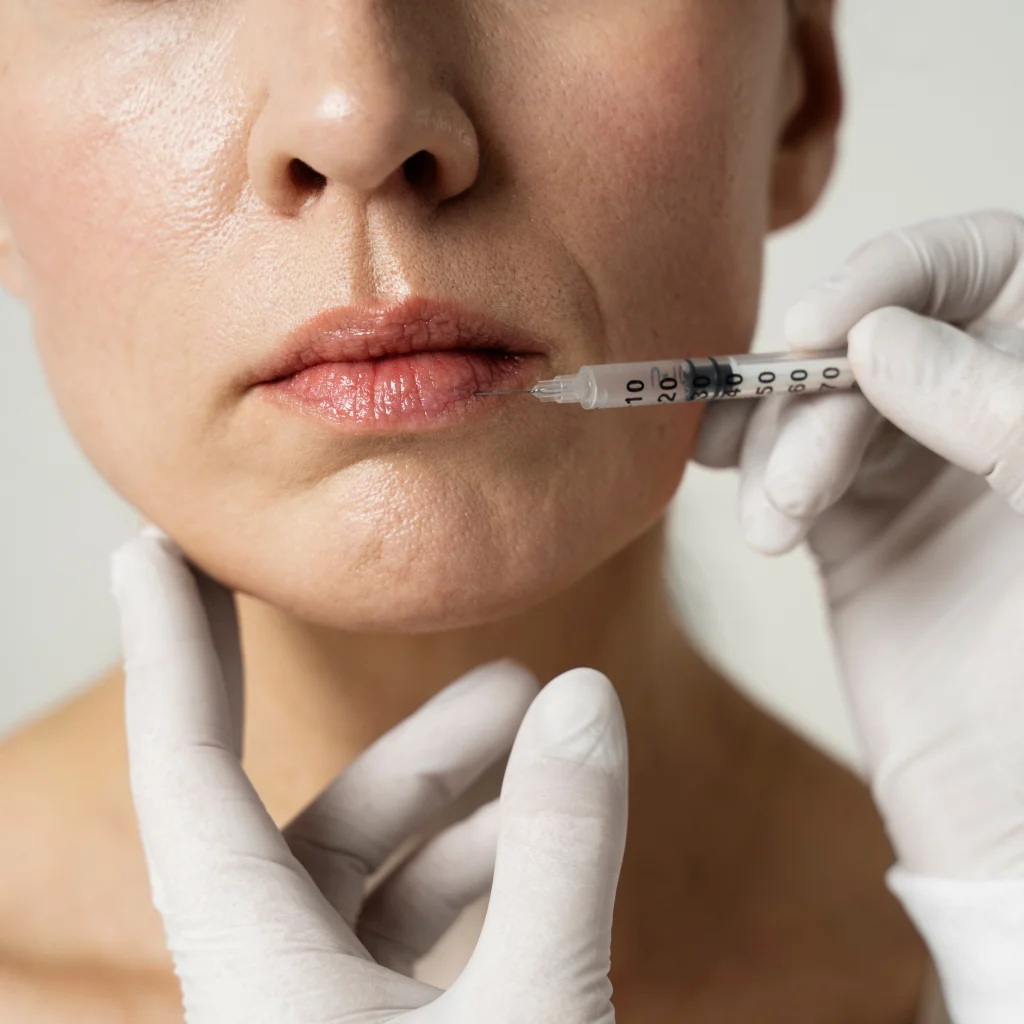
Fillers may be considered when tear-trough hollowness or loss of structural support is creating shadowing under the eyes. Hyaluronic acid fillers can restore selected volume and support the transition between the lower eyelid and upper cheek. This can reduce the shadow created by a deep groove. Fillers do not treat pigmentation, so the under-eye anatomy needs to be assessed first.
The under-eye area needs careful assessment before filler treatment. The dermatologist evaluates the tear trough, skin thickness, surrounding tissues, and degree of volume loss to determine whether filler is suitable and how the treatment should be planned.
Platelet-Rich Fibrin (PRF) is another blood-derived option that may be considered for selected under-eye hollowness. PRF is prepared from a small sample of the patient’s own blood and processed to form a fibrin-rich concentrate containing platelets and naturally occurring growth factors. In selected patients, it may provide subtle soft-tissue support while also supporting tissue repair. It does not behave in the same way as a hyaluronic acid filler, so the degree and duration of correction can differ.
Radiofrequency microneedling (MNRF) combines fine microneedles with controlled radiofrequency energy delivered into selected skin layers. It may be considered when collagen loss, fine lines, crepey skin, or mild laxity contribute to the under-eye concern. The controlled energy stimulates collagen formation and remodelling, which can gradually improve skin firmness and support.
At Estique Clinic, MNRF may be combined with Platelet-Rich Plasma (PRP) or Growth Factor Concentrate (GFC) in selected patients. These blood-derived treatments contain or concentrate growth factors that may support tissue repair and the collagen response. The combination is chosen according to skin thickness, laxity, hollowness, and overall under-eye anatomy.
Fine lines caused mainly by repeated muscle movement may need a different approach. Mesobotulinum toxin or carefully placed botulinum toxin may be considered in selected patients to soften fine lines around the eyes. It works by reducing muscle activity in the treated area. It does not correct pigmentation or tear-trough hollowness.
A dark circles removal treatment can reduce the visible darkness under the eyes, but complete or permanent removal cannot always be guaranteed. Dark circles are often multifactorial, meaning pigmentation, visible blood vessels, tear-trough hollowing, skin thinning, and shadowing may all contribute at the same time.
Treatment usually targets the dominant cause, such as excess melanin, vascular visibility, or structural volume loss. However, factors such as genetics, ageing, collagen loss, sun exposure, and changes in facial anatomy can continue over time.
This is why the degree and duration of improvement depend on the underlying cause, the treatment selected, and how the under-eye area changes with age.
Recovery depends on the treatment you receive. Skincare does not have the same recovery period as a medical peel, laser procedure, filler, or radiofrequency treatment.
Some clinic procedures may cause temporary redness, swelling, sensitivity, or mild bruising. Bruising is more commonly seen after under-eye filler because the periocular area contains many small superficial blood vessels.
A needle or cannula can occasionally injure one of these vessels, allowing a small amount of blood to collect under the skin. The bruise may appear blue, purple, or yellow as it heals and usually settles within one to two weeks.
The time needed to see a change also varies. Filler used for hollowness may show an earlier change, while treatments that work on pigment or collagen usually take longer. Your dermatologist should explain the expected recovery before treatment begins.
Use sunscreen daily and wear sunglasses outdoors, since pigment in this area darkens easily in sun. Do not rub or press the treated skin. Pause actives such as retinoids and acids until your dermatologist clears them. Report increasing pain, swelling or any change in vision to the clinic immediately.
At Estique Clinic, dark circle treatment is planned according to the cause found during examination. Depending on the concern, options may include medical skincare and peels, Q-switched laser toning for pigmentation, Fractional CO₂ laser resurfacing for selected texture and fine-line concerns, radiofrequency microneedling, PRP or GFC combinations, Platelet-Rich Fibrin (PRF), botulinum toxin for selected fine lines, and fillers for structural support.
The treatment should match the main problem, whether it is pigment, visible vessels, skin laxity, fine lines, or structural hollowing. This helps avoid using the same procedure for every type of dark circle.
Yes. Allergies can contribute to dark circles in some people. Allergic or contact dermatitis can cause itching and irritation around the eyes. Managing the allergy or skin condition may therefore be an important part of the treatment plan.
Lighting can change how deep under-eye hollows appear. Light falling from different angles can make a tear trough more or less visible. This can change the appearance of the under-eye area even when the skin itself has not changed.
Yes. Frequent rubbing can irritate the skin around the eyes. Repeated irritation may lead to post-inflammatory hyperpigmentation in some people. This means extra pigment can develop after the skin becomes inflamed.
No. Brown-looking dark circles are not always caused only by extra pigment. Thin skin, visible blood vessels, swelling, or changes below the skin can affect the colour you see. A dermatologist can check which factor is contributing before recommending treatment.
It depends on the cause. A cream can act on pigment and on skin quality over time. It cannot fill a hollow or hide blood vessels sitting under thin skin, which is why structural and vascular circles need a procedure instead.
Filler for a hollow shows a change almost at once. Pigment and collagen treatments work over weeks, and are given as a course with review appointments in between. Your dermatologist judges progress across the course rather than after one session.
Both pigment-type circles and the facial structure that creates hollowing can run in families. An inherited pattern can still be improved, though it usually needs ongoing care rather than a single treatment.





Experience Exceptional Skin Care From Our Best Skin Doctor In Gurgaon
Clinic Timings
Monday to Friday : 10 AM to 7 PM
Saturday : 10 AM till 6:30 PM
12, first floor, Palm Springs Plaza, Golf Course Rd, DLF Phase 5, Sector 54, Gurugram, Haryana 122003
1021/1022, Behind 32nd Avenue, Sector 15 part 2, Gurugram, Haryana 122001

Medical and Cosmetic Dermatologist and well renowned as the Best Dermatologist in Gurgaon, has formerly practised in prestigious Hospitals such as VMMC & Safdarjung Hospital (New Delhi) and All India Institute of Medical Sciences (AIIMS, New Delhi).
It just takes a few minutes to book a visit online.
We at Estique clinic believe in understanding your problems and then suggest the treatment for best results.
Copyright 2017-2026© Estique Skin And Hair Clinic. Privacy Policy