
×
 September 19, 2026
Dermal fillers are generally safe when the right product is selected for the right area, and the injections are performed by a medically trained professional who understands anatomy. They can be used to restore volume, improve contour, and provide structural support in areas such as the cheeks, lips, temples, chin, jawline, under-eyes, and hands.
Most patients return to routine activities soon after treatment. Temporary swelling, redness, tenderness, or bruising can occur, while serious complications are uncommon. A proper assessment, suitable filler choice, and correct injection technique are therefore important parts of treatment planning.
Dermal fillers are gel-like substances injected beneath the skin to restore lost volume, soften some wrinkles or improve facial contours. Many commonly used fillers contain hyaluronic acid, or HA. Hyaluronic acid is naturally present in the skin and helps support hydration and volume.
The HA used in fillers is usually cross-linked. Cross-linking means the HA molecules are joined together so the gel breaks down more slowly and remains in the tissue for longer. Different fillers also behave differently after injection. This is described by their rheology, which refers to how a filler flows, stretches and responds to pressure.
One part of rheology is the elastic modulus, or G′. This describes how firm or elastic a filler is. A filler with a higher G′ usually provides more structural support, while a softer filler may be better suited to areas where flexibility and subtle movement are needed.
Dermal fillers in Gurgaon can be used safely in suitable patients when the product, injection depth, amount, and treatment area are selected correctly. Safety begins before the injection with a review of medical history, previous filler treatment, skin condition, and the anatomy of the area being treated.
Different areas also need different filler properties. A softer gel may suit an area where natural movement is important, while a firmer filler may be selected when more structural support is needed. The aim is not simply to add volume, but to place the appropriate product in the correct tissue layer.
Dermal fillers can be used in different areas when the concern is related to volume loss, contour, or structural support. On the face, they may be considered for the cheeks, temples, lips, chin, jawline, nasolabial folds, marionette lines, and selected cases of under-eye hollowness. They may also soften some wrinkles when loss of volume is contributing to the fold.
Body fillers can also be used in selected areas. One example is hand filler. Age-related volume loss on the back of the hands can make veins, tendons, and bony contours look more prominent. Filler can be placed in selected tissue planes to restore volume and give the hands a smoother appearance.
Hand filler treatment is planned differently from facial filler treatment. The product, depth, and amount need to suit the thinner tissues and movement of the hands. A dermatologist should assess skin thickness, volume loss, medical history, and the anatomy of the area before treatment.
Hyaluronic acid fillers also have the advantage that they can usually be reduced or dissolved with hyaluronidase when clinically needed. This does not replace careful technique, but it gives the doctor an additional way to manage certain HA filler corrections or complications.
Mild reactions around the injection site are common after dermal filler treatment and usually occur as the tissue responds to the injection and the presence of the filler material. These may include:
These effects usually appear soon after the dermal injections and settle as the tissue recovers.
The lips may swell more noticeably because they have a rich blood supply. Temporary asymmetry can also occur during the first few days, so the result should not always be judged immediately after treatment.
Small areas of firmness can sometimes be felt after filler treatment, especially while swelling is settling. Persistent lumps or nodules are less common and should be assessed by the treating doctor.
Less common causes of a persistent lump include inflammation, infection, or a granulomatous reaction. These need medical assessment rather than repeated massage or home treatment.
Hyaluronic acid fillers can usually be broken down using hyaluronidase. Hyaluronidase is an enzyme that breaks down hyaluronic acid. A doctor may use it to reduce or dissolve HA filler when correction is needed or when certain complications occur.
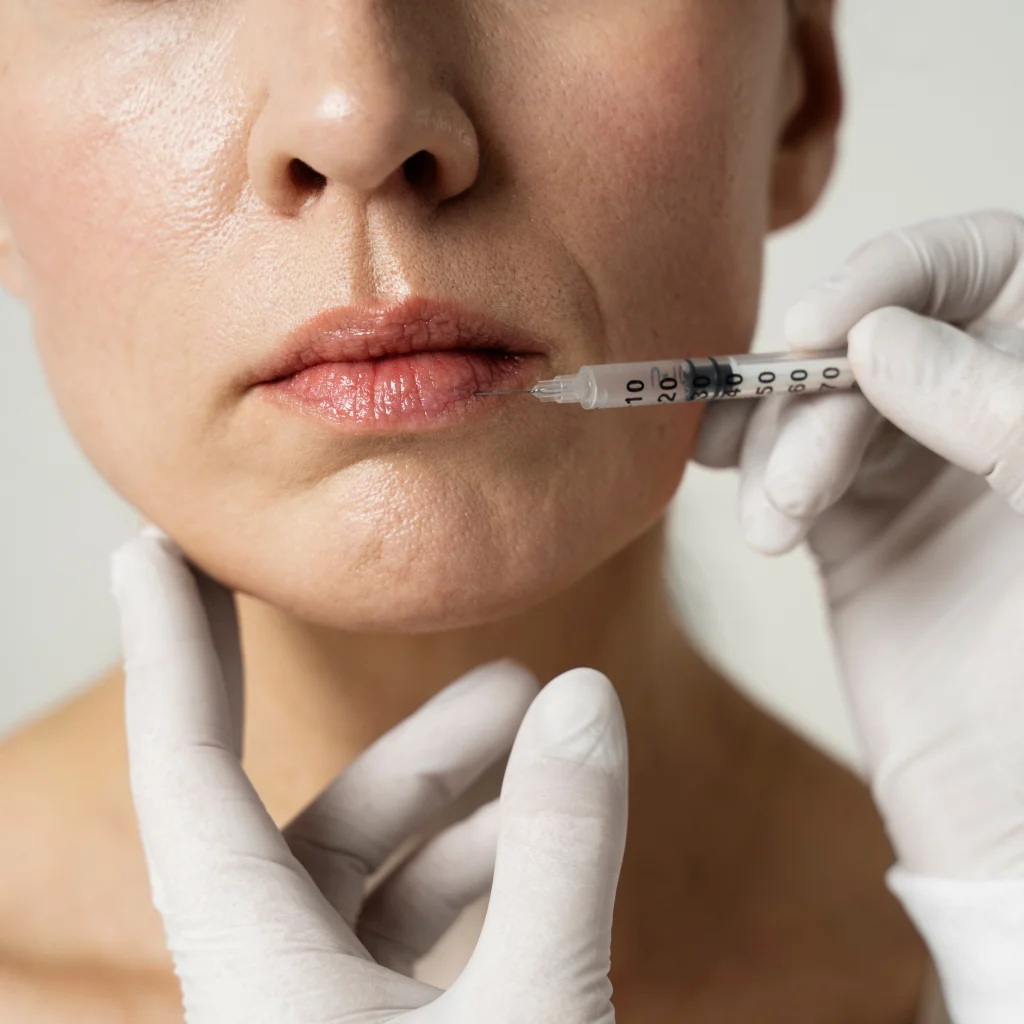
Lip fillers may be used to improve volume, shape, definition or symmetry. The lips have many blood vessels and move constantly when speaking, eating and making facial expressions. The filler needs to suit this movement and the natural structure of the lips.
The amount of filler should depend on the patient’s lip anatomy and treatment goal. Using more filler does not automatically produce a better result.
An under eye filler needs careful patient selection. Dark circles are not always caused by volume loss. Pigmentation, thin skin, visible blood vessels, shadowing and under-eye bags can also make the area look darker. If hollowing is the main problem, filler may be considered in selected patients.
The skin under the eyes is thin. If filler is placed too close to the surface, it may produce a blue-grey colour known as the Tyndall effect. Hyaluronic acid also attracts water, so some patients may develop puffiness.
Treatment should begin with an assessment of the face. The doctor may examine facial proportions, volume loss, skin thickness, asymmetry and previous filler treatments. Medical history and current medicines may also be discussed.
The skin is then cleaned. Filler may be placed using a fine needle or a cannula, a thin tube with a blunt tip. The depth and amount of filler depend on the anatomical area being treated. A small amount placed in the correct tissue layer can behave very differently from the same amount placed too superficially or in the wrong area.
At Estique Clinic, filler treatment is planned after assessing the area, degree of volume loss, skin thickness, and the type of support needed.
Dermal fillers may be considered for facial areas such as the cheeks, lips, temples, chin, jawline, and selected under-eye concerns, as well as for hand rejuvenation when volume loss is present.
Treatment is led by Dr Neha Sharma, an MD dermatologist with more than 15 years of clinical experience.
The same assessment matters for dermal fillers for wrinkles. Some wrinkles are linked to volume loss, while others are mainly caused by muscle movement or changes in skin quality. Filler is therefore not suitable for every type of wrinkle.
It depends on the filler, treatment area, amount used and how quickly the body breaks it down. Most dermal fillers are temporary.
You may feel a brief prick, pressure or mild discomfort. Numbing cream or filler containing a local anaesthetic may be used.
Filler can sometimes be seen or felt outside the intended area. Placement, volume, tissue structure and previous treatments can contribute.
Seek urgent medical assessment for severe pain, sudden skin colour changes, visual symptoms or neurological symptoms after filler treatment.
For suitable patients, dermal fillers can be safe when the right product is placed in the correct anatomical area by a trained doctor. Mild swelling and bruising are common. Serious complications are rare, but proper assessment and early recognition of problems remain important.





Experience Exceptional Skin Care From Our Best Skin Doctor In Gurgaon
Clinic Timings
Monday to Friday : 10 AM to 7 PM
Saturday : 10 AM till 6:30 PM
12, first floor, Palm Springs Plaza, Golf Course Rd, DLF Phase 5, Sector 54, Gurugram, Haryana 122003
1021/1022, Behind 32nd Avenue, Sector 15 part 2, Gurugram, Haryana 122001

Medical and Cosmetic Dermatologist and well renowned as the Best Dermatologist in Gurgaon, has formerly practised in prestigious Hospitals such as VMMC & Safdarjung Hospital (New Delhi) and All India Institute of Medical Sciences (AIIMS, New Delhi).
It just takes a few minutes to book a visit online.
We at Estique clinic believe in understanding your problems and then suggest the treatment for best results.
Copyright 2017-2026© Estique Skin And Hair Clinic. Privacy Policy