
×
 January 6, 2025
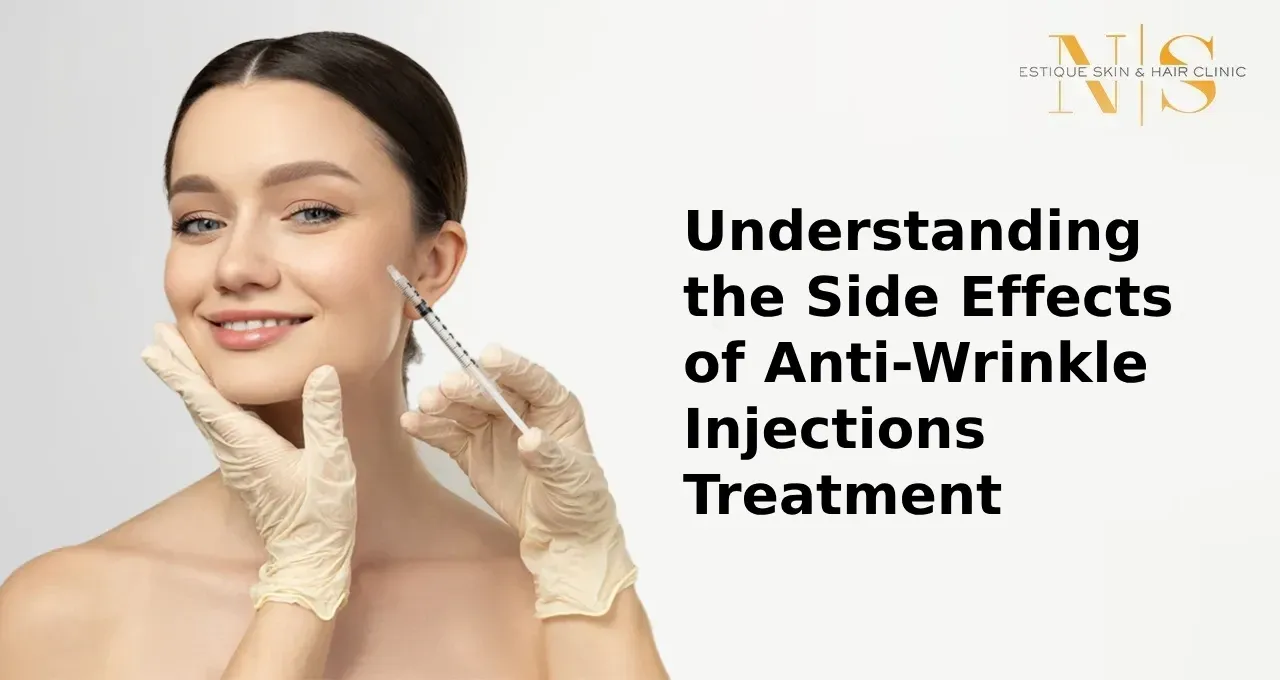
Anti-wrinkle injections is a widely recognized cosmetic treatment renowned for its effectiveness in reducing the appearance of wrinkles and fine lines. Primarily used in aesthetic medicine, anti-wrinkle injections are increasingly popular in urban areas such as Gurgaon, where the demand for cosmetic procedures is high. Despite its popularity, potential patients must understand the possible side effects associated with anti-wrinkle injections. This blog explores these side effects, focusing on what clients might expect from anti-wrinkle injections treatment in Gurgaon and how to choose a reliable skin clinic.
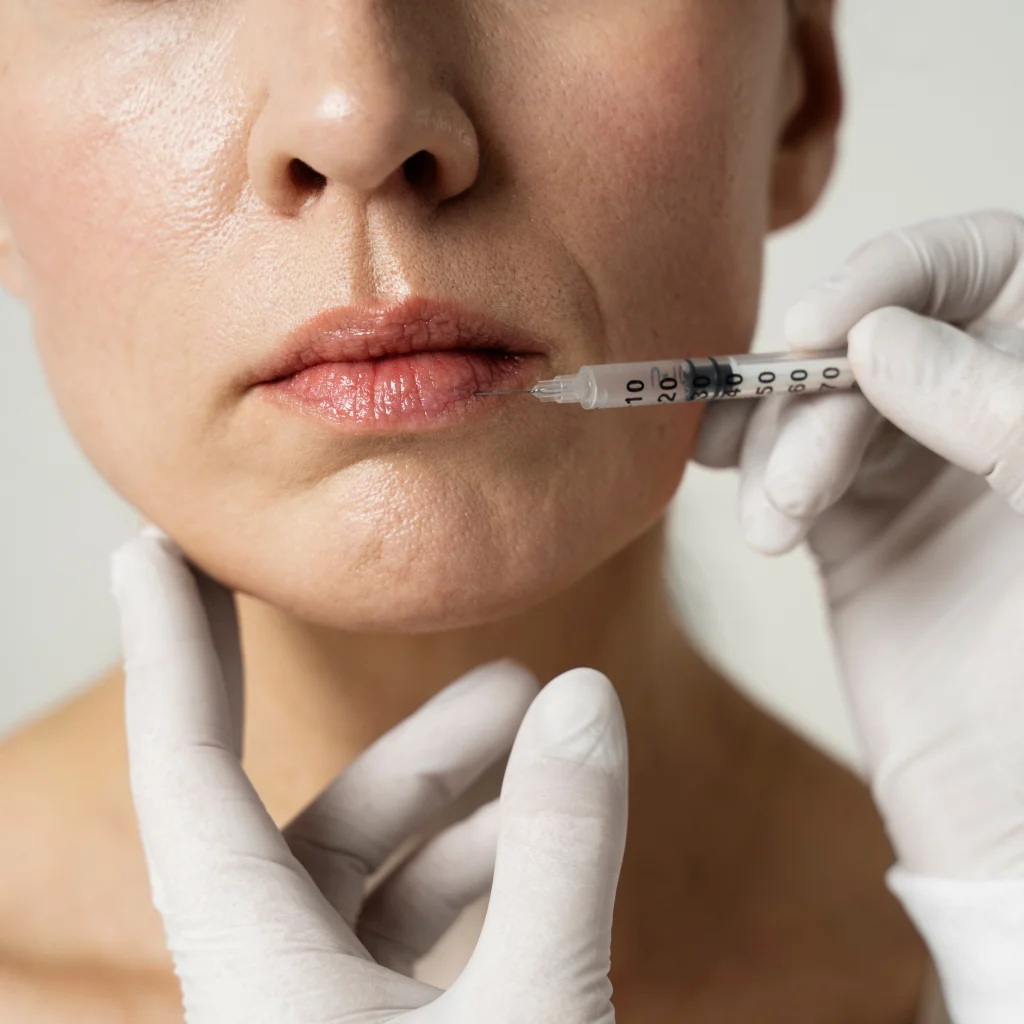
Anti-wrinkle injections, or bot-uli-num toxin, is a neurotoxic protein used medically to treat certain muscular conditions and cosmetically to remove wrinkles by temporarily paralyzing muscles. Administered via injections, anti-wrinkle injections blocks the nerve signals that cause muscles to contract, resulting in a smoother appearance of the skin above them.
While anti-wrinkle injections are generally considered safe, they can have side effects, particularly if not administered correctly. Understanding these can help you make an informed decision when considering anti-wrinkle injections treatment in Gurgaon.
Retinoids, derivatives of vitamin A, are among the most effective topical treatments for aging skin. They work by increasing cell turnover, stimulating collagen production, and reducing the appearance of fine lines, wrinkles, and age spots. Retinoids can also improve skin texture and tone.
Consistency is key with retinoid use, as it can take several weeks to months to see noticeable results. It’s also important to use sunscreen daily, as retinoids can make the skin more sensitive to the sun.
Minor side effects from anti-wrinkle injections are typically short-lived and often resolve without intervention. Here are some of the most common:
Although rare, anti-wrinkle injections can lead to more severe complications if not administered correctly. These include:
To minimize the risk of both minor and serious side effects, it is critical to choose an experienced and qualified medical professional to administer anti-wrinkle injections. Before receiving anti-wrinkle injections, discuss any medical history that might not make you a good candidate for the treatment, such as certain neurological or muscular disorders.
If any side effects develop, especially the more severe ones, contact your healthcare provider immediately. For minor effects like bruising and mild discomfort, cold compresses, and over-the-counter pain medication may be sufficient for relief.
Peptides are short chains of amino acids that serve as the building blocks of proteins like collagen and elastin. Topical peptide products can help stimulate collagen production, improve skin firmness, and reduce the appearance of wrinkles.
Peptide-infused serums and creams are often used as part of an anti-aging skincare routine to promote a more youthful complexion.
When considering anti-wrinkle injections treatment in Gurgaon, selecting the right skin clinic is crucial. Here are several tips to ensure you pick a reputable provider:
By choosing a reputable skin clinic in Gurgaon, you ensure that your anti-wrinkle injections treatment is safe, effective, and yields the desired aesthetic results.
Anti-Wrinkle injections is a popular non-surgical treatment for reducing the appearance of dynamic wrinkles, such as crow’s feet, forehead lines, and frown lines. It works by temporarily relaxing the muscles that cause these wrinkles, resulting in smoother, more youthful-looking skin.
Anti-wrinkle injections are quick, require no downtime, and results typically last for three to six months. Regular treatments can help maintain a youthful appearance over time.
Dermal fillers are injectable treatments that restore volume to areas of the face that have lost fullness due to aging. Commonly treated areas include the cheeks, lips, and nasolabial folds. Fillers are typically made of hyaluronic acid or other biocompatible substances.
Fillers can provide immediate results, reducing the appearance of wrinkles, enhancing facial contours, and improving overall skin texture. The effects of dermal fillers can last from six months to two years, depending on the type of filler used.
Laser skin resurfacing is a powerful treatment for improving skin texture, tone, and overall appearance. It involves using laser energy to remove the outer layers of damaged skin, promoting the growth of new, healthier skin cells.
There are different types of laser treatments available:
Laser skin resurfacing can significantly reduce wrinkles, tighten the skin, and improve skin tone and texture.
Chemical peels involve applying a chemical solution to the skin to exfoliate the outer layers and stimulate new skin cell growth. They can be used to treat a variety of aging concerns, including fine lines, wrinkles, age spots, and uneven skin tone.
Chemical peels can provide noticeable improvements in skin texture, tone, and clarity.
Microneedling is a minimally invasive treatment that involves creating tiny punctures in the skin using fine needles. This process stimulates the skin’s natural healing response, promoting collagen and elastin production.
Microneedling can help reduce the appearance of fine lines, wrinkles, and scars while improving overall skin texture. It can be combined with other treatments, such as Blood Derived Growth Factors therapy, for enhanced results.
Radiofrequency (RF) skin tightening is a non-invasive treatment that uses radiofrequency energy to heat the deeper layers of the skin. This stimulates collagen production and tightens the skin, reducing sagging and improving skin firmness.
RF treatments are safe for all skin types and require little to no downtime. They are often used on the face, neck, and body to address laxity and sagging skin.
Aging is an inevitable part of life, but with the right treatments, you can significantly reduce the visible signs of aging and maintain a youthful appearance. From topical treatments like retinoids and vitamin C to advanced clinical procedures like Anti-wrinkle injections, dermal fillers, and laser resurfacing, there are numerous options available to help you achieve your skincare goals.



Experience Exceptional Skin Care From Our Best Skin Doctor In Gurgaon
Clinic Timings
Monday to Friday : 10 AM to 7 PM
Saturday : 10 AM till 6:30 PM
12, first floor, Palm Springs Plaza, Golf Course Rd, DLF Phase 5, Sector 54, Gurugram, Haryana 122003
1021/1022, Behind 32nd Avenue, Sector 15 part 2, Gurugram, Haryana 122001
Medical and Cosmetic Dermatologist and well renowned as the Best Dermatologist in Gurgaon, has formerly practised in prestigious Hospitals such as VMMC & Safdarjung Hospital (New Delhi) and All India Institute of Medical Sciences (AIIMS, New Delhi).
It just takes a few minutes to book a visit online.
We at Estique clinic believe in understanding your problems and then suggest the treatment for best results.
Copyright 2017-2026© Estique Skin And Hair Clinic. Privacy Policy